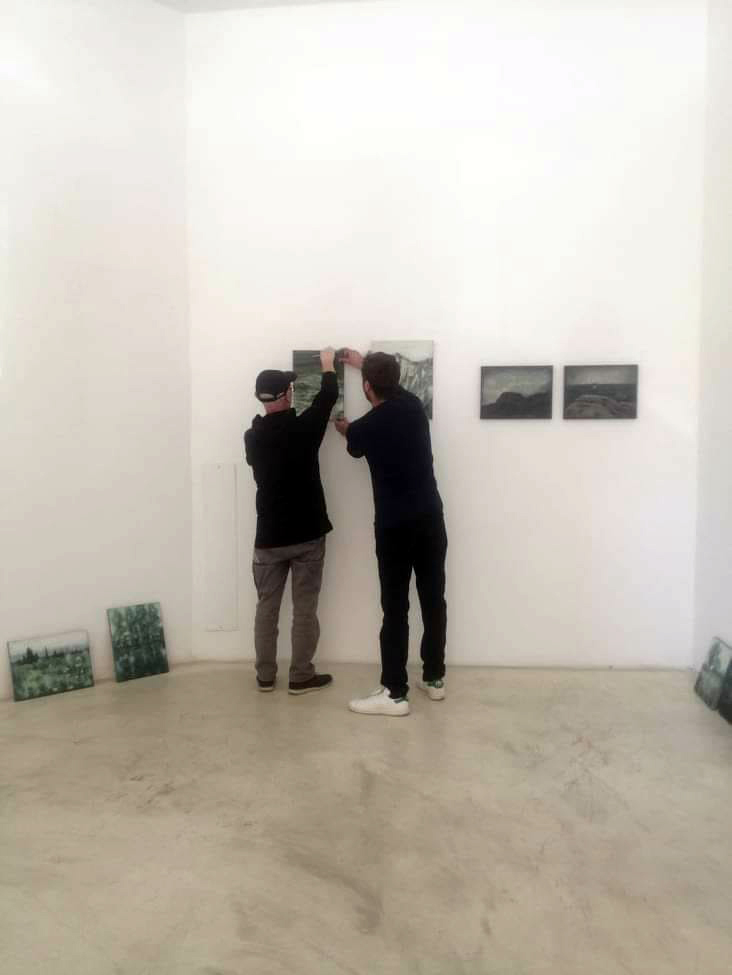
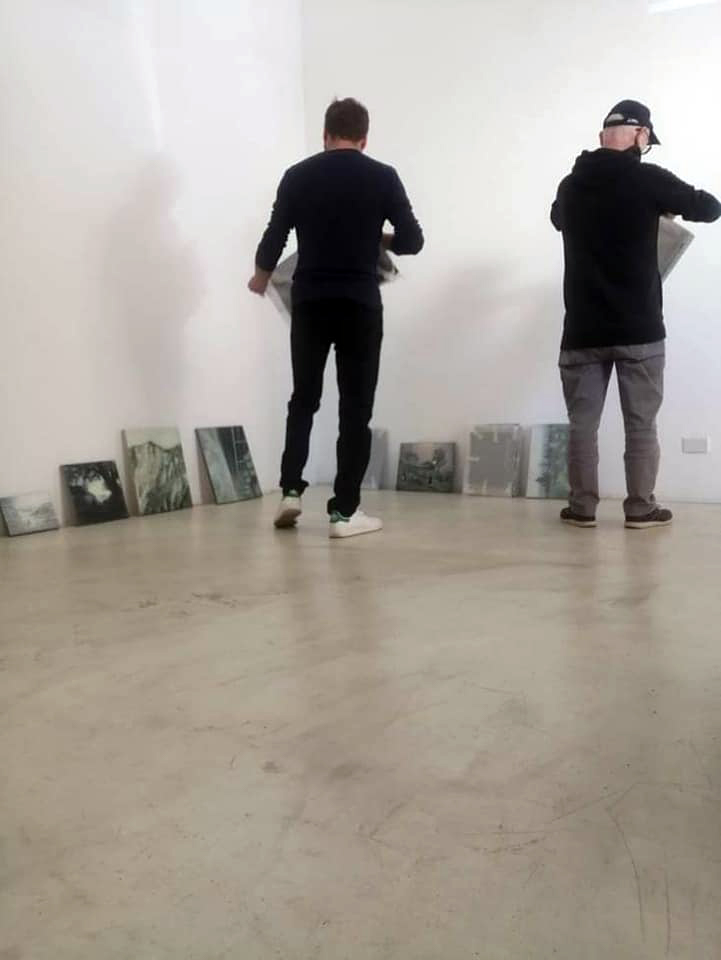
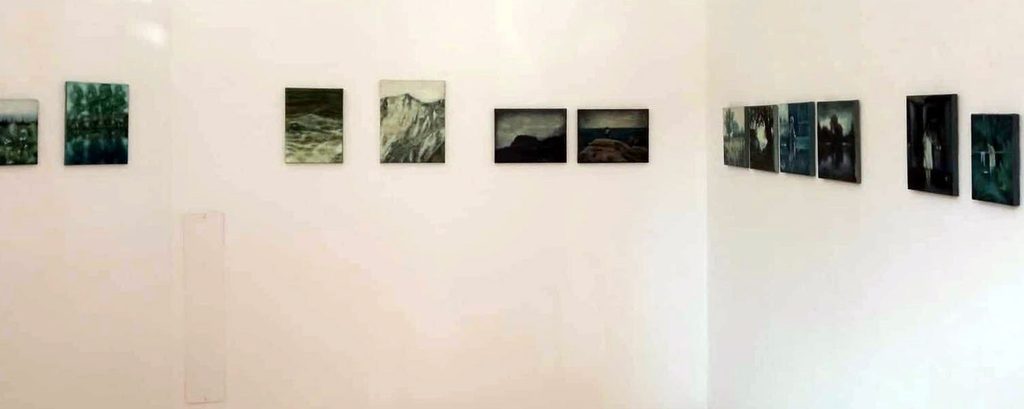
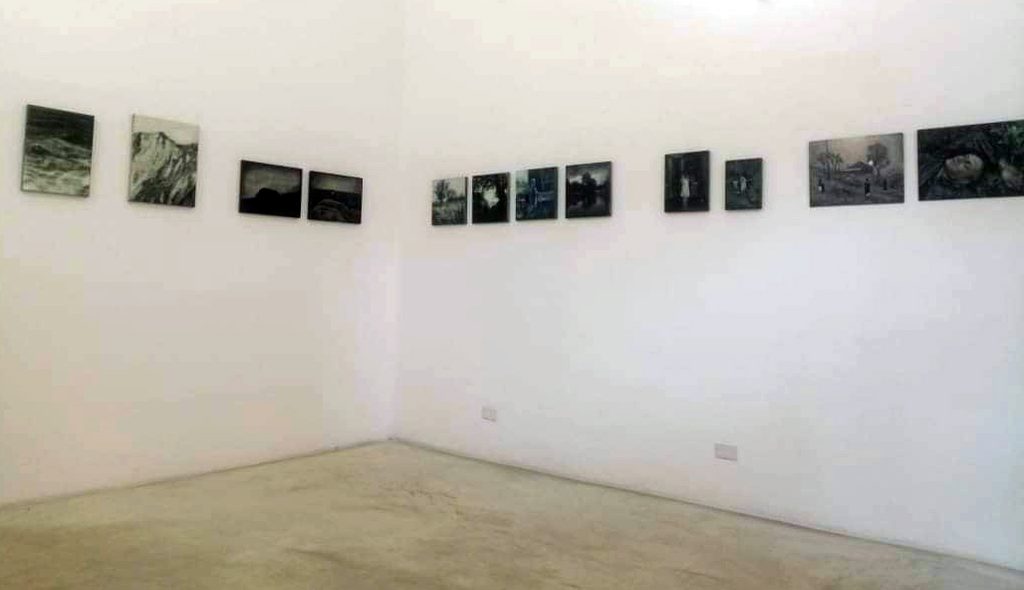
2026 – “Almost there”, Polyedro, Patras, Greece
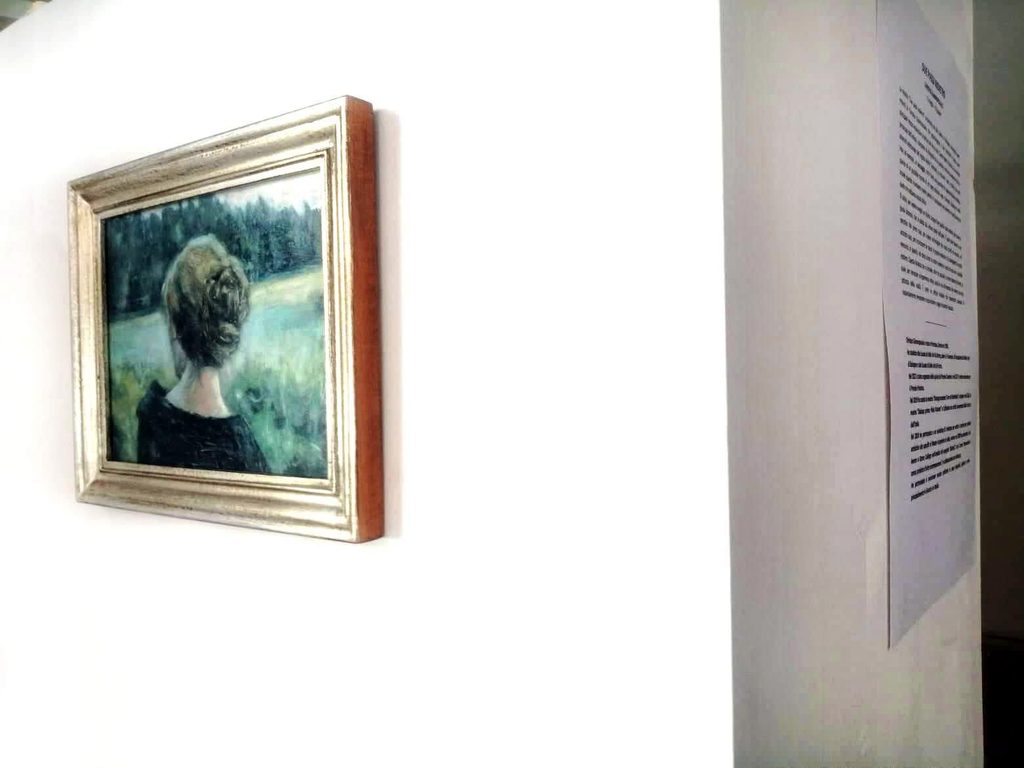
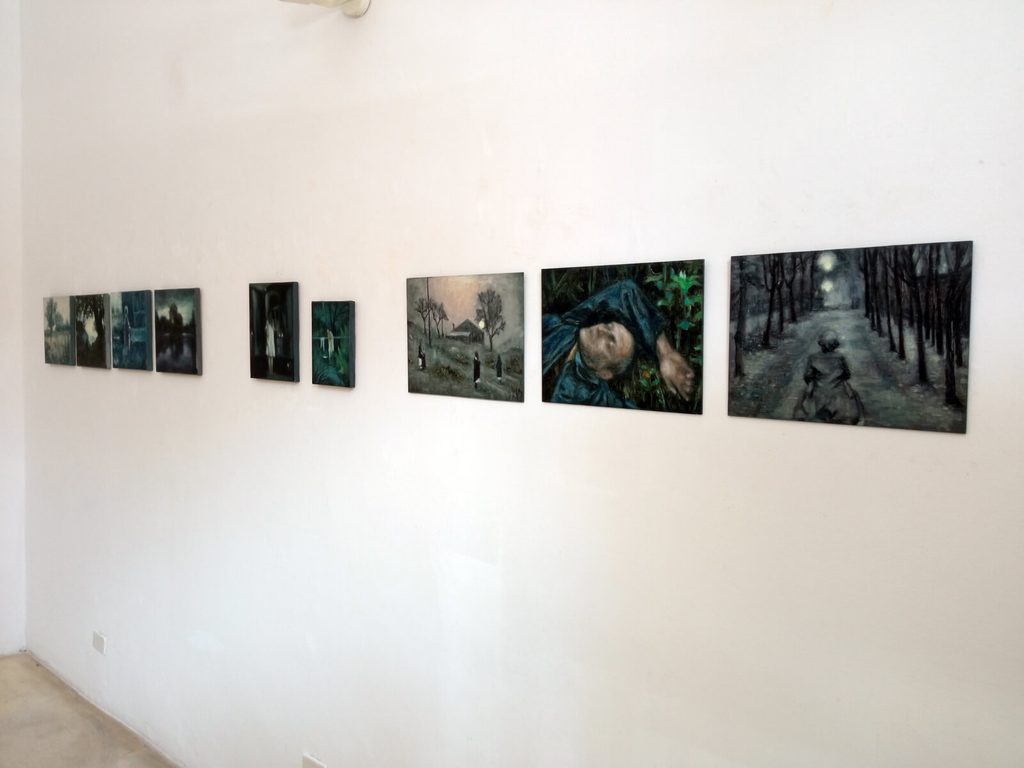
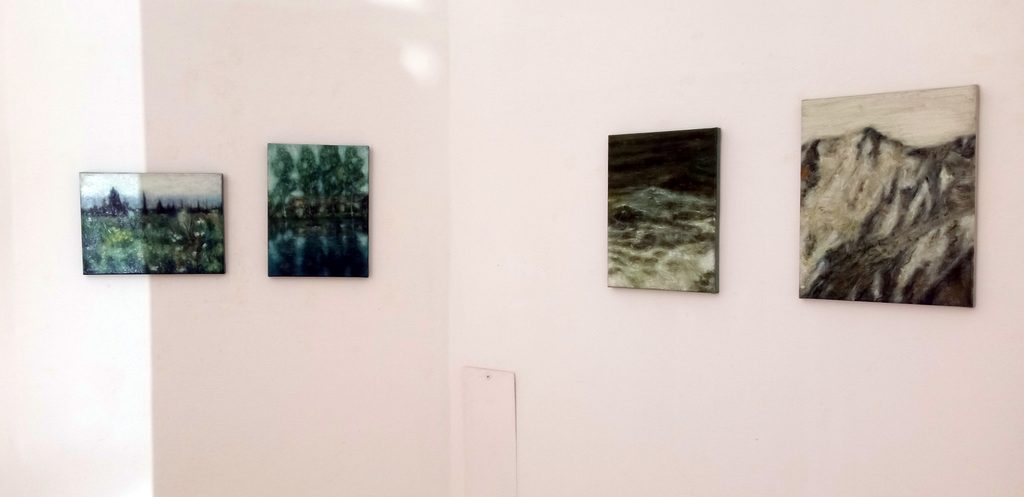
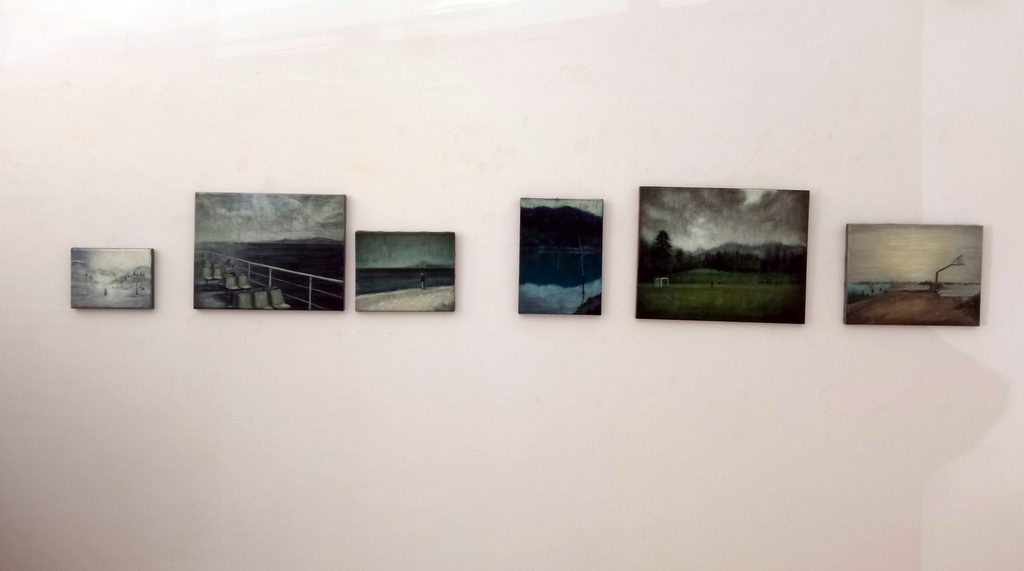
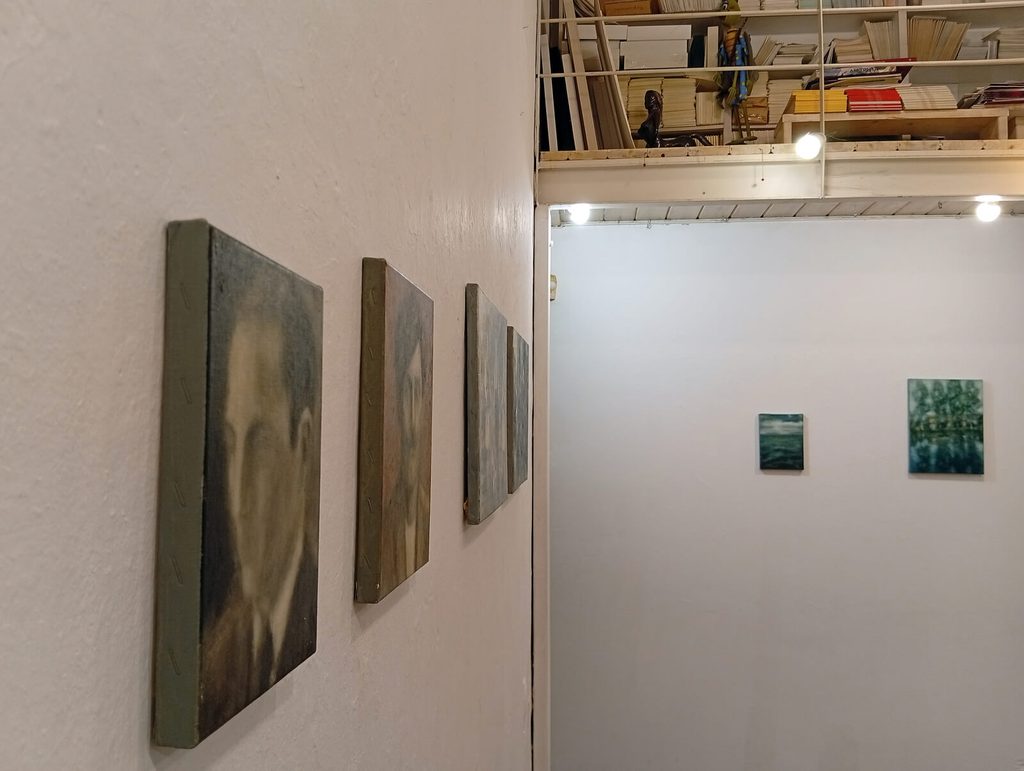
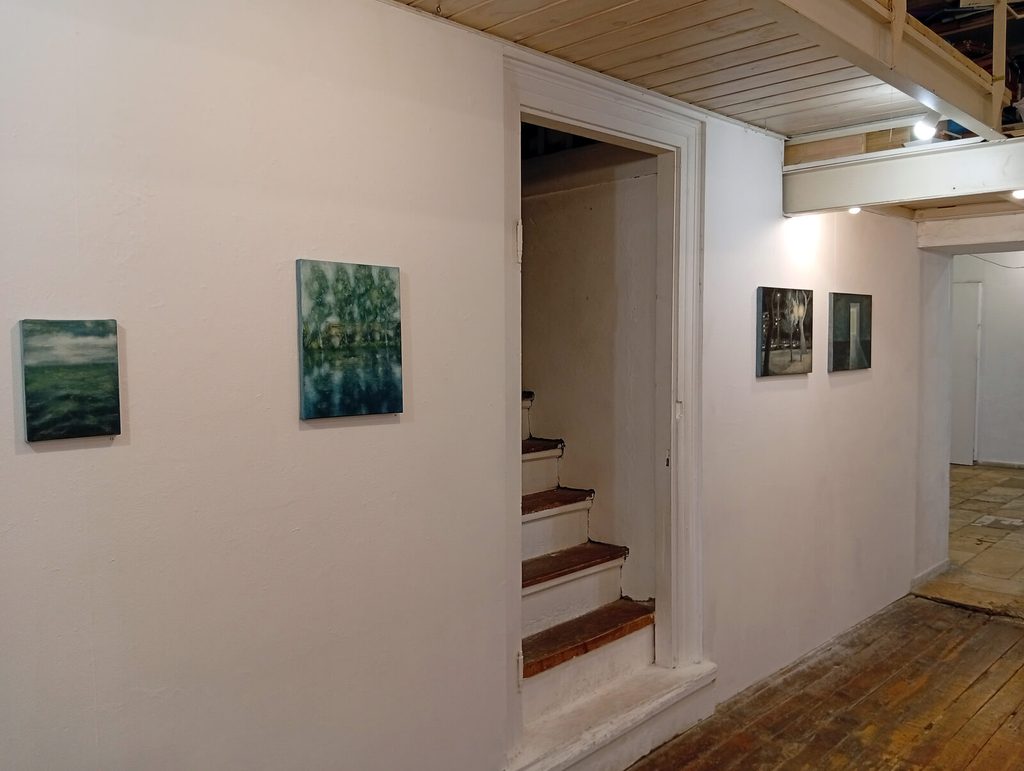
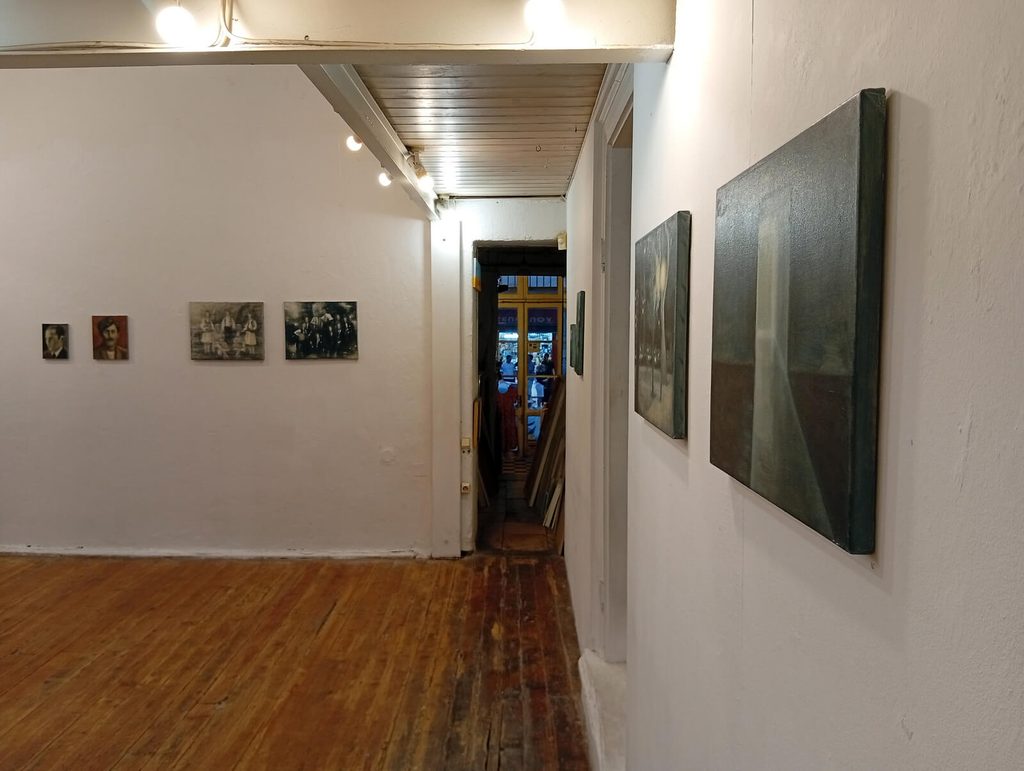
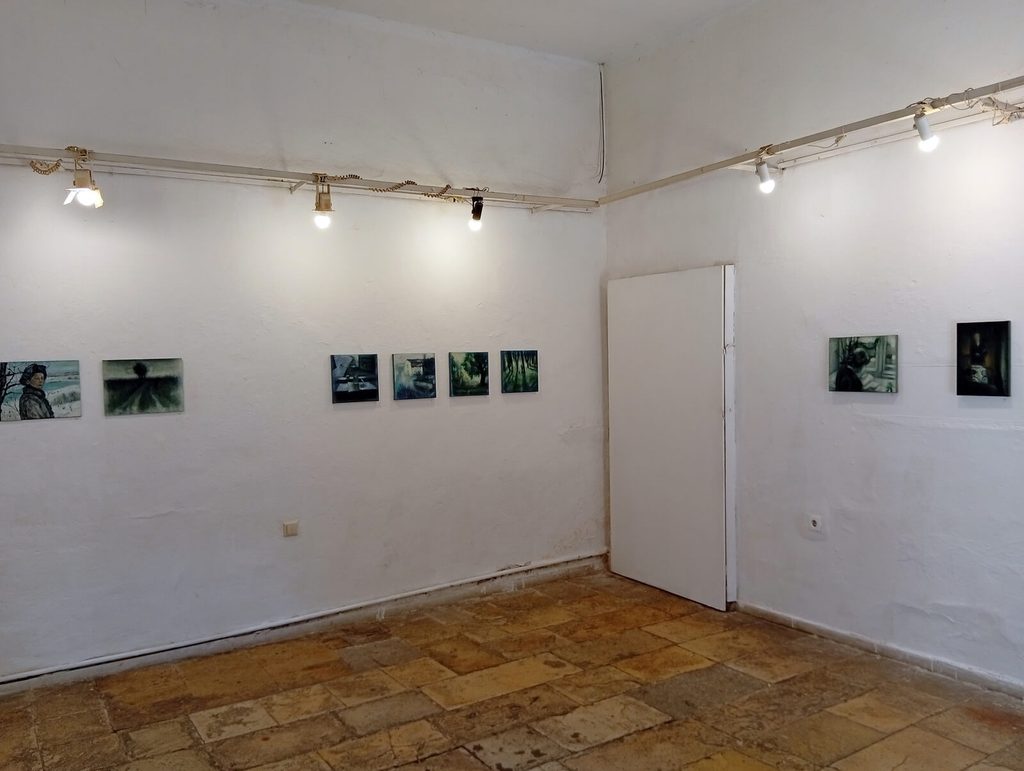
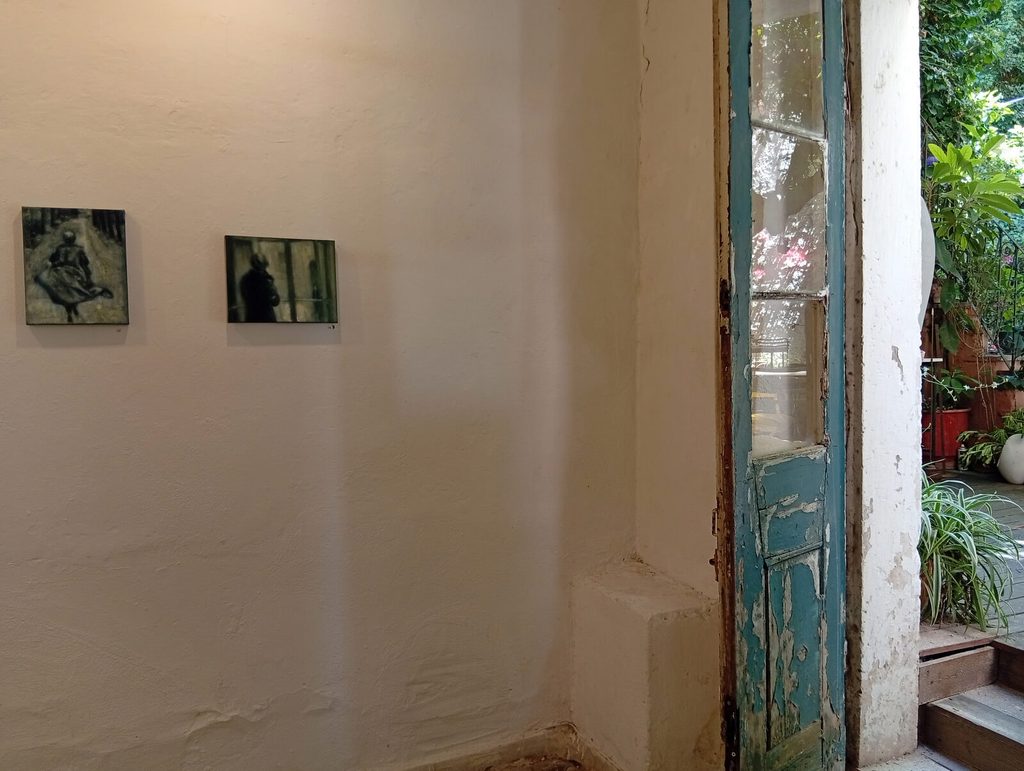
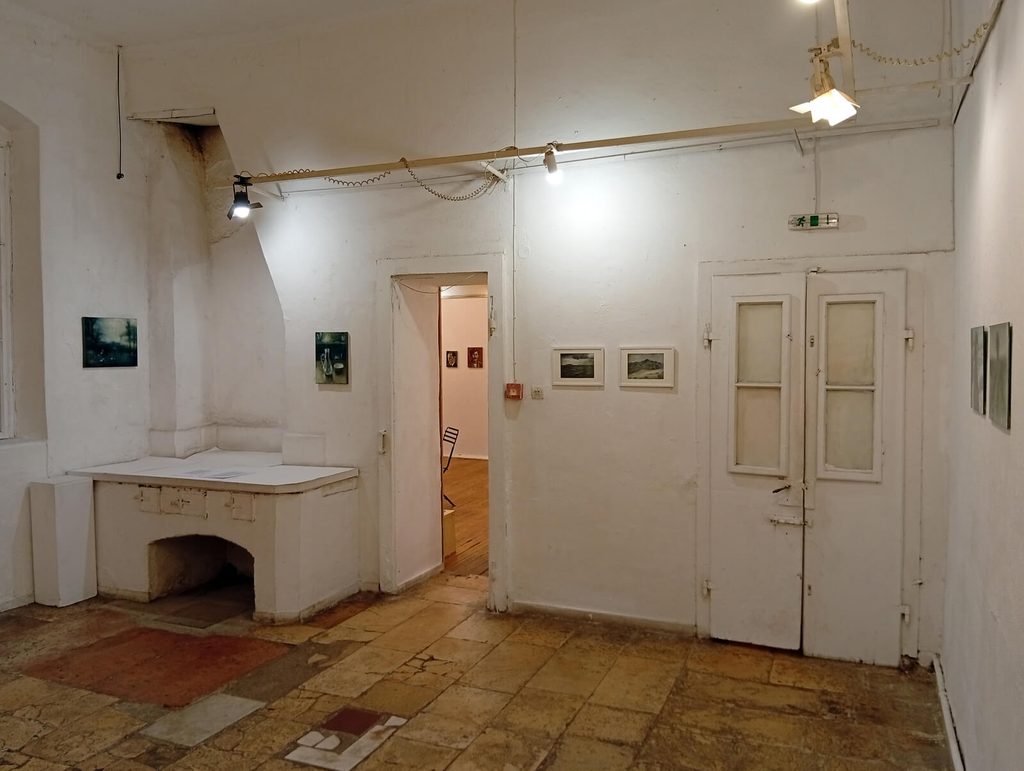
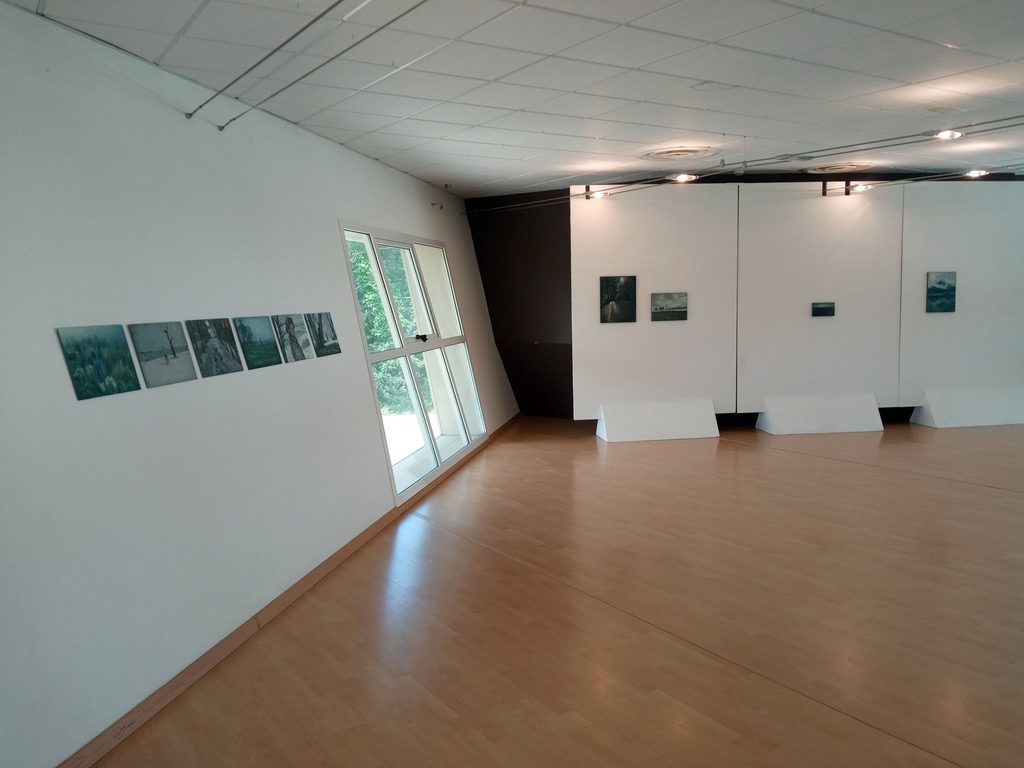
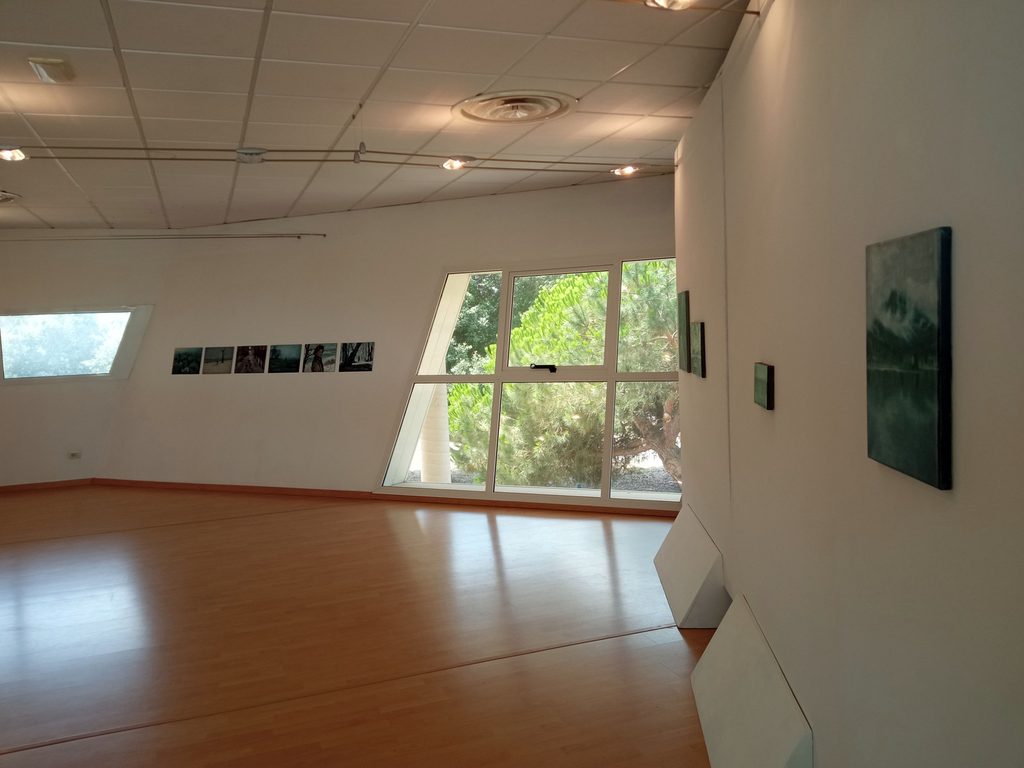
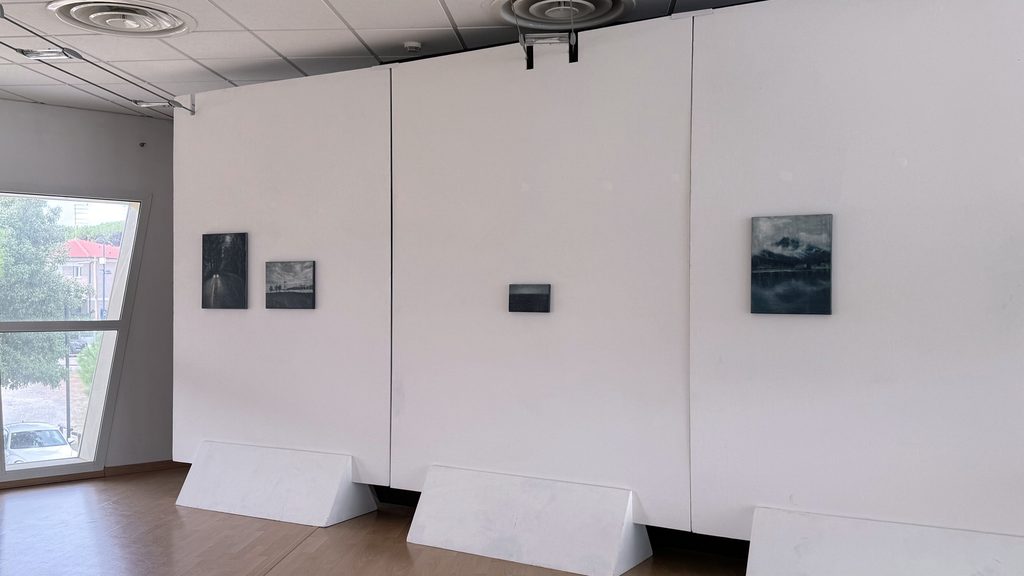
Polyedro presents Almost There, the new solo exhibition by Christos Giannopoulos, and the first he has held in Patras, his hometown. The exhibition features recent and earlier paintings, offering a representative selection from various series of his work produced over the last few years.
The title functions as a constant reminder of distance: we are “almost there,” at the edge of a memory, before an image that seems ready either to take shape or to fade away forever. Working primarily with oil on canvas, the artist adopts a process of “subtractive addition.” He builds up layers only to blur them again, creating a dense visual atmosphere. Our memories are never high-definition; they are fragmentary, hazy, and perpetually in the making. Giannopoulos’s work may be seen as an exercise in patience. In a world that demands instant gratification and clear answers, this exhibition proposes the postponement of revelation.
In the works of Christos Giannopoulos, ambiguity does not function as an obstacle but as a mechanism of memory. This “misty” approach frees the viewer from the obligation to identify with something specific and allows them to project their own inner images onto the painted surface. Painting here becomes a mirror in which the “almost” is the space left by the artist for the visitor to enter. Thus, this is not a static exhibition but a living excavation of vision itself. Ultimately, the artist does not show us what he saw, but rather how he chose not to forget.
2026 – “Quasi Lì”, Polyedro, Patrasso, Grecia
Il Polyedro presenta la nuova mostra personale di Christos Giannopoulos dal titolo “Quasi lì”, la prima che l’artista tiene a Patrasso, sua città natale. Si tratta di opere pittoriche, sia recenti che meno recenti, che coprono campioni rappresentativi di varie serie del suo lavoro degli ultimi anni.
Il titolo funge da costante promemoria della distanza: siamo “quasi lì”, ai margini di un ricordo, davanti a un’immagine che sembra pronta a formarsi o a svanire per sempre. Utilizzando come mezzo espressivo principale l’olio su tela, l’artista adotta un processo di “addizione sottrattiva”. Costruisce strati solo per poi sfumarli, creando una densità visiva. I nostri ricordi non sono mai ad alta definizione; sono frammentari, sfocati e sempre in divenire. L’opera di Giannopoulos potrebbe essere vista come un esercizio di pazienza. In un mondo che esige gratificazione immediata e risposte chiare, questa mostra suggerisce il rinvio della rivelazione.
Nelle opere di Christos Giannopoulos, l’ambiguità non funge da ostacolo, ma da meccanismo della memoria. Questo approccio “nebbioso” libera lo spettatore dall’obbligo di identificarsi con qualcosa di specifico e gli permette di proiettare sulla superficie pittorica le proprie immagini interiori. La pittura qui diventa uno specchio in cui il “quasi” è lo spazio che il creatore lascia per far entrare il visitatore. Non si tratta, quindi, di una mostra statica, ma di uno scavo vivo nello sguardo stesso. In definitiva, l’artista non ci mostra ciò che ha visto, ma come ha scelto di non dimenticare.
2026 – “Σχεδόν Εκεί”, Πολύεδρο, Πάτρα
Το Πολύεδρο παρουσιάζει την νέα ατομική έκθεση του Χρήστου Γιαννόπουλου με τίτλο ‘Σχεδόν εκεί’, η οποία είναι και η πρώτη που παρουσιάζει στην Πάτρα, την γενέτειρά του. Πρόκειται για ζωγραφικά έργα πρόσφατα και λίγο παλαιότερα, καλύπτοντας αντιπροσωπευτικά δείγματα από διάφορες σειρές της δουλειάς του, των τελευταίων χρόνων.
Ο τίτλος λειτουργεί ως μια διαρκής υπενθύμιση της απόστασης: είμαστε «σχεδόν εκεί», στην άκρη μιας ανάμνησης, μπροστά σε μια εικόνα που μοιάζει έτοιμη να σχηματιστεί ή να σβήσει οριστικά. Με βασικό εκφραστικό μέσο τα λάδια σε μουσαμά, ο καλλιτέχνης υιοθετεί μια διαδικασία «αφαιρετικής πρόσθεσης». Χτίζει στρώσεις μόνο και μόνο για να τις θολώσει, δημιουργώντας μια οπτική πυκνότητα. Οι αναμνήσεις μας δεν είναι ποτέ υψηλής ευκρίνειας· είναι αποσπασματικές, θαμπές και πάντα υπό διαμόρφωση. Το έργο του Γιαννόπουλου θα μπορούσε να ιδωθεί σαν μια άσκηση στην υπομονή. Σε έναν κόσμο που απαιτεί άμεση ικανοποίηση και καθαρές απαντήσεις, η έκθεση αυτή υποβάλει την αναβολή της αποκάλυψης.
Στα έργα του Χρήστου Γιαννόπουλου, η ασάφεια δεν λειτουργεί ως εμπόδιο, αλλά ως μηχανισμός μνήμης. Αυτή η «ομιχλώδης» προσέγγιση απελευθερώνει τον θεατή από την υποχρέωση της ταύτισης με κάτι συγκεκριμένο και του επιτρέπει να προβάλει στην ζωγραφική επιφάνεια τις δικές του εσωτερικές εικόνες. Η ζωγραφική εδώ γίνεται ένας καθρέφτης όπου το «σχεδόν» είναι ο χώρος που αφήνει ο δημιουργός για να εισέλθει ο επισκέπτης. Έτσι, δεν πρόκειται για μια στατική έκθεση, αλλά για μια ζωντανή ανασκαφή στο ίδιο το βλέμμα. Τελικά ο καλλιτέχνης δεν μας δείχνει τι είδε, αλλά πώς επέλεξε να μην ξεχάσει.
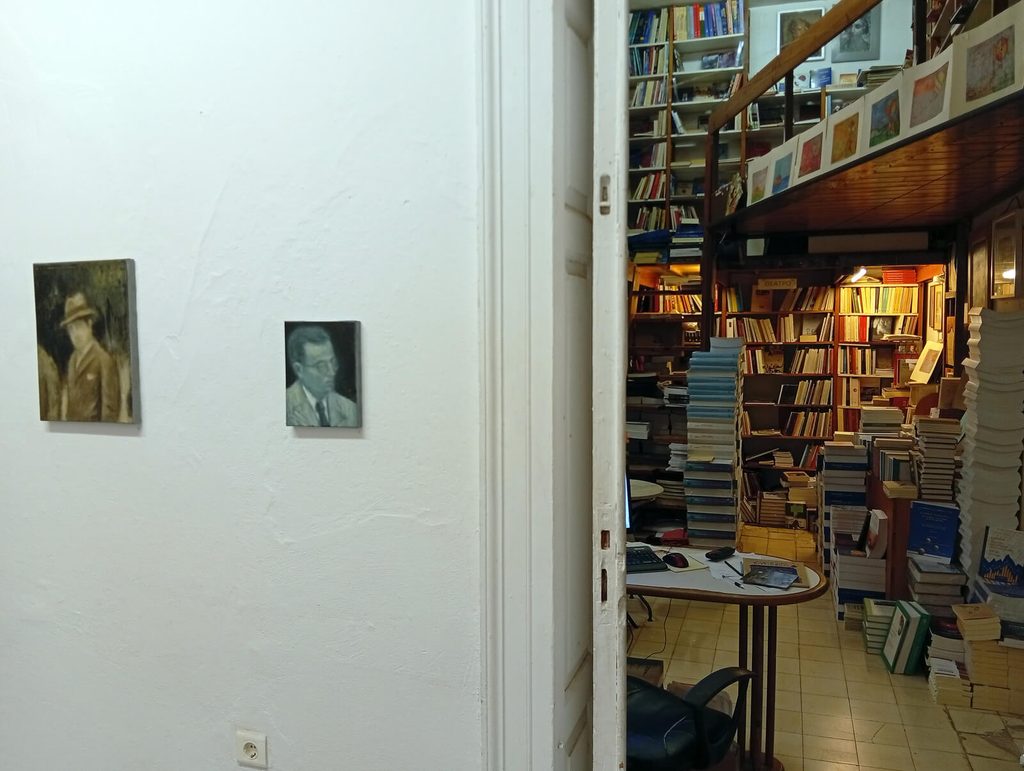
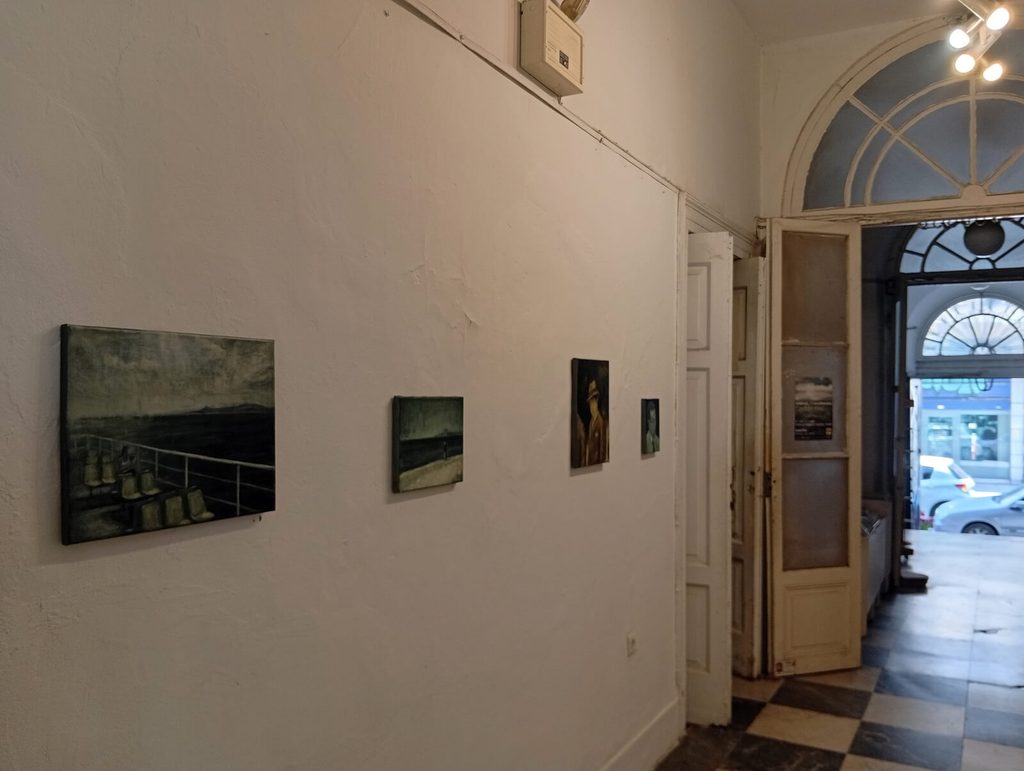
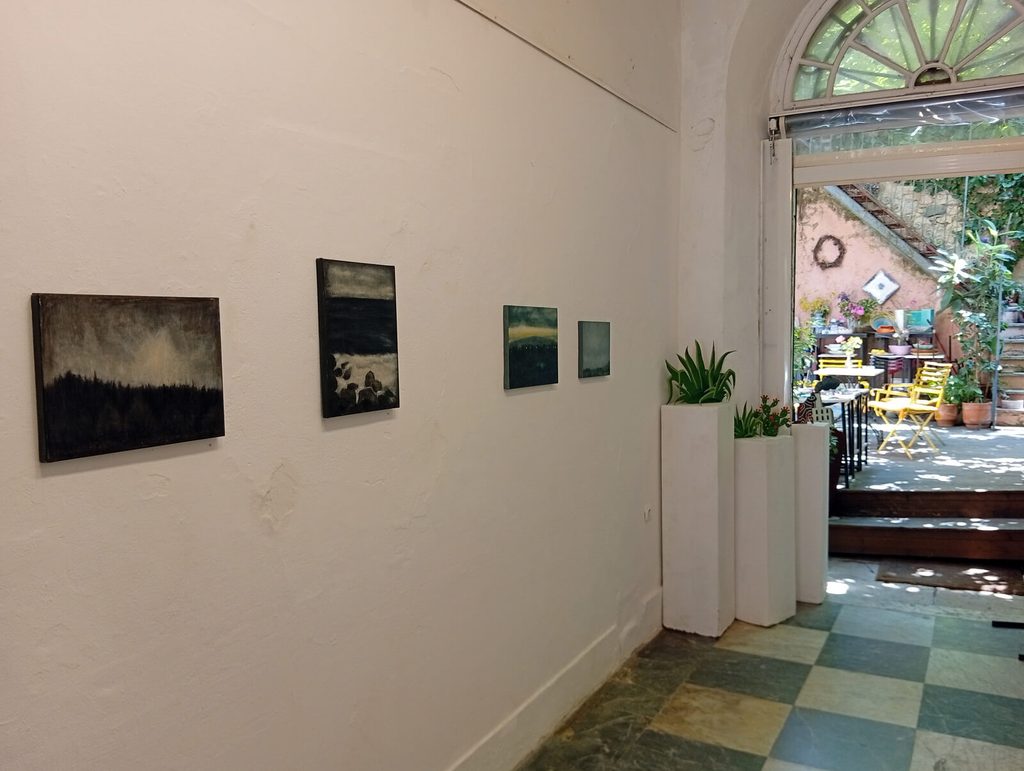
2025 – “Flashback”, curated by Giorgia Bergantin, Centro Congressi, Rosolina Mare, Italy
Fleeting moments surpassed.
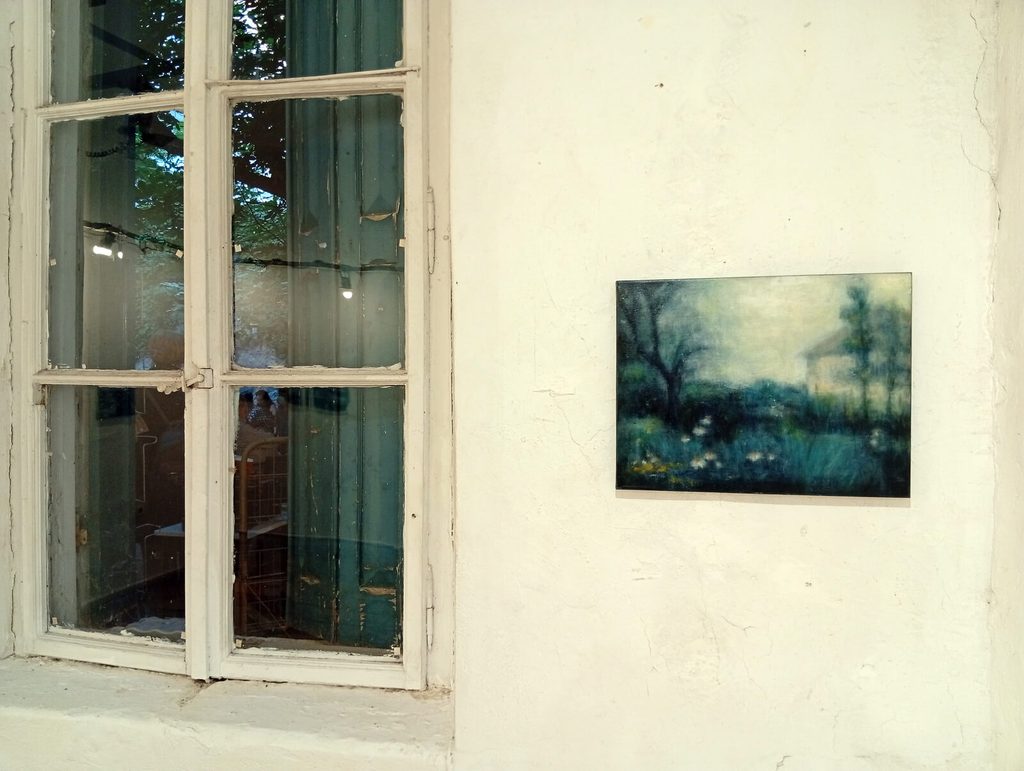
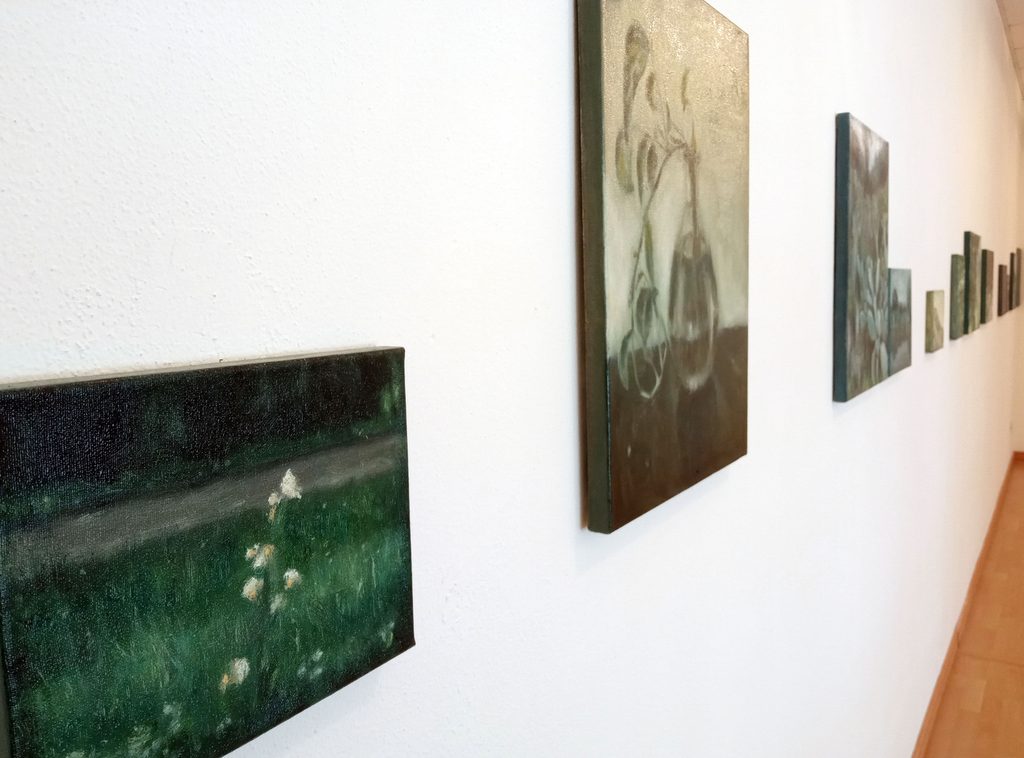
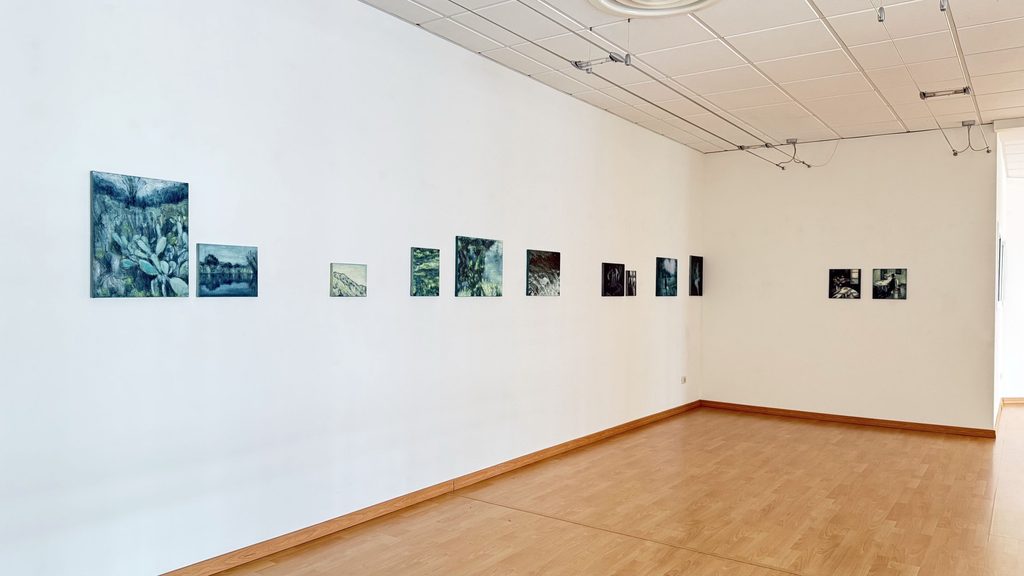
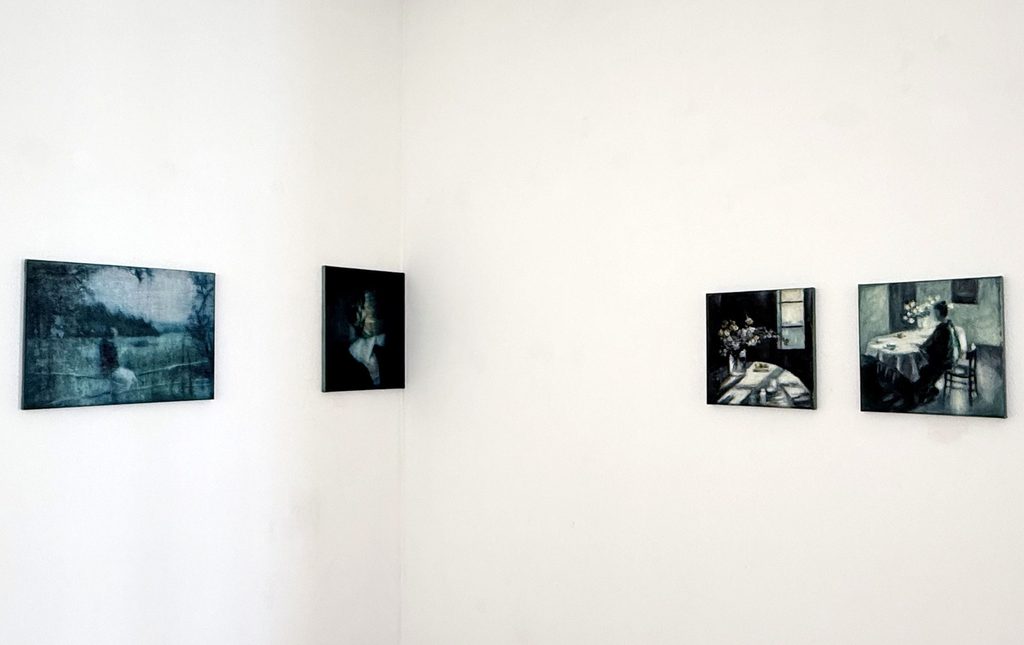
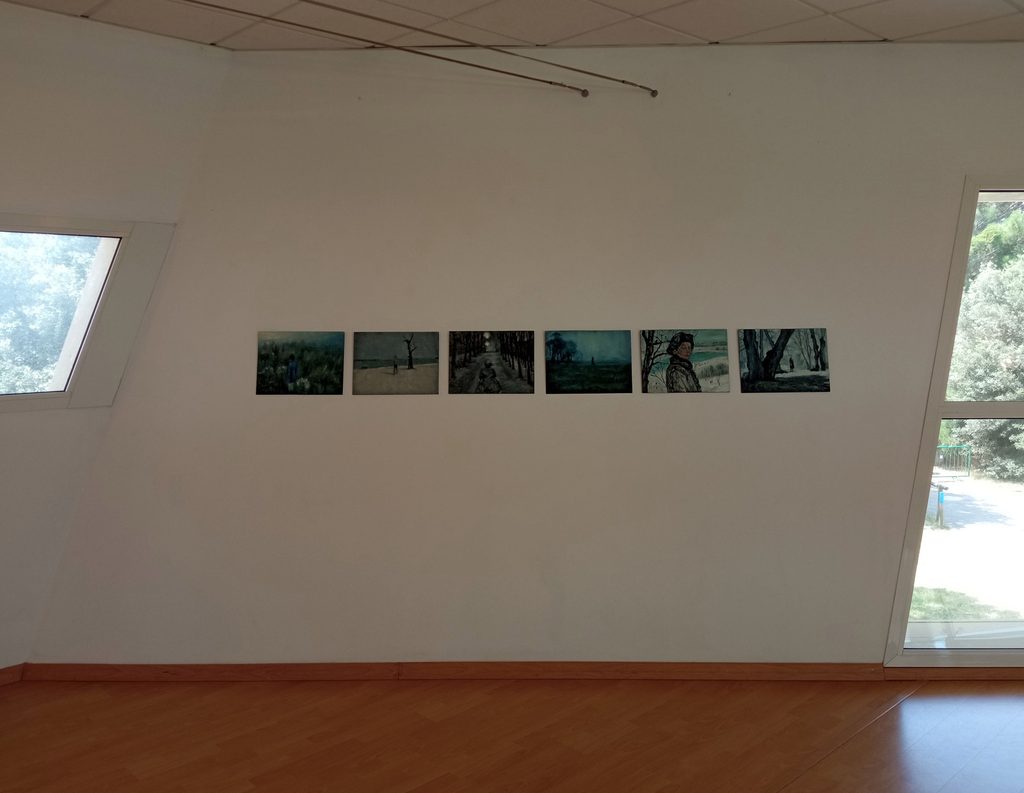
Christos Giannopoulos’ solo exhibition, Flashback, is a leap into the past of others, a pictorial album that narrates fragments of past lives, natural landscapes, and human snapshots of people in the woods. An intimate dialogue naturally unfolds with Giannopoulos’ places and subjects, transcending ignorance of the context. Contained within a few centimeters, the stories painted by the artist appear familiar to the outside eye, which is moved by memories similar to its own.
Green expanses, shadowed woods, gushing or idle water, silhouettes of men, women, and children, who, while avoiding our gaze, draw us into their ephemeral existence.
Giannopoulos’ canvases appear like suspended moments, free from the harsh swiftness of time, prisoners of the tedious stasis of eternity.
Poised between flux and stasis, nature and humanity blend into a single, fleeting vision, like a visually vague, emotionally vivid memory.
Christos Giannopoulos’ creative process draws primordial photographic inspiration from his personal archive, consisting of images taken by the artist himself and film sequences and Polaroids by Russian director Andrei Tarkovsky (1932–1986).
Tarkovsky’s shots and film clips sacralize the everyday, transforming the ordinary into the poetry of reality. A profound nostalgia pervades his scenes, drawing the viewer to the roots of their own memory.
From the negative to oil on canvas or aluminum, from the sharpness of the photo or video to the evident trace of the painterly gesture, of color applied dynamically, sometimes delicately blended, sometimes lumpy and vibrant. Giannopoulos generates new episodes of stories inherited from his visual and mental past.
His brushstrokes are rhythmic, capable of marking the distances between the living and amorphous figures set in often hazy open spaces or dimly lit domestic rooms.
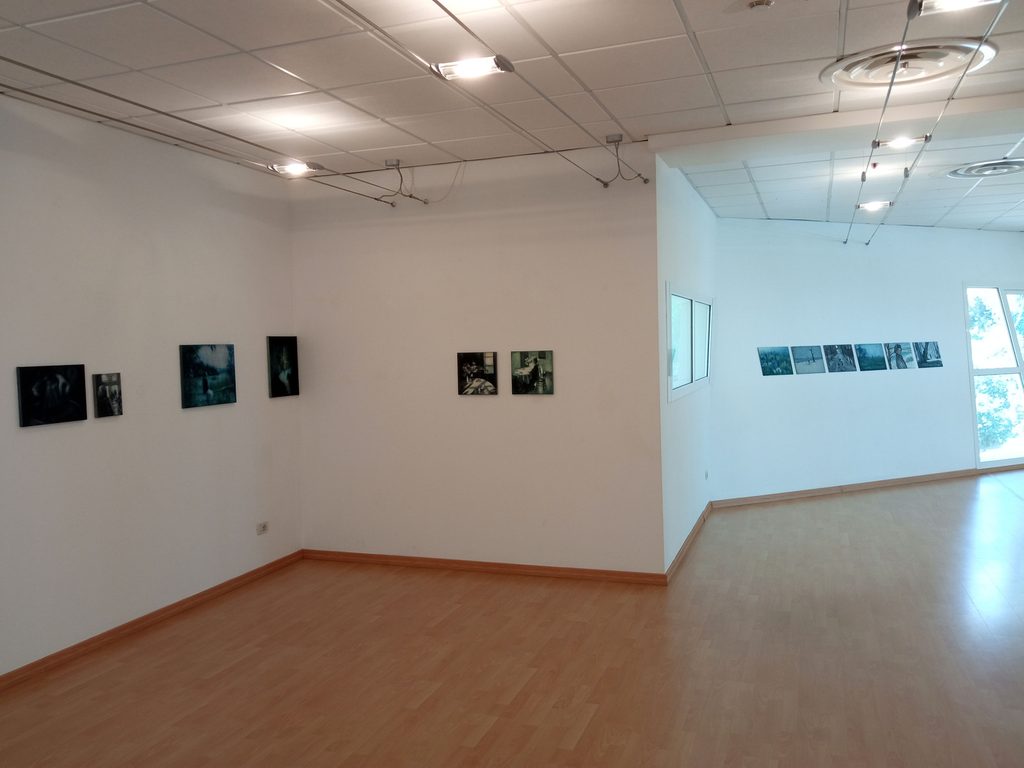
The Flashback exhibition, with a few exceptions, presents previously unpublished works, untouched by criticism and discussion, created over the past five years.
2025 – “Flashback”, a cura di Giorgia Bergantin, Centro Congressi, Rosolina Mare
Momenti fugaci sorpassati.
La mostra personale Flashback, di Christos Giannopoulos, è un balzo nell’antico altrui, un album pittorico che narra frammenti di vita trascorsa, scenari naturali e istantanee umane di persone foreste. Con i luoghi e i soggetti di Giannopoulos si innesca naturalmente un dialogo intimo che supera la misconoscenza del contesto. Racchiuse in pochi centimetri, le storie dipinte dall’artista risultano familiari all’occhio straniero, che si emoziona al cospetto di memorie simili alle proprie.
Distese verdi, boschi in penombra, acqua che sgorga o che ozia, sagome di uomini, donne e bambini, che pur schivando il nostro sguardo, ci trascinano nella loro effimera esistenza.
Le tele di Giannopoulos appaiono come istanti sospesi, liberi dalla sveltezza aspra del tempo, prigionieri della stasi uggiosa dell’eternità.
In bilico tra il flusso e lo stallo, la natura e l’uomo si amalgamano in una sola visione, sfuggente, come un ricordo visivamente vago, emotivamente lampante.
Il processo creativo di Christos Giannopoulos prevede un’ispirazione primordiale di natura fotografica dall’archivio personale costituito sia da immagini scattate dall’artista stesso, sia da sequenze cinematografiche e polaroid del regista russo Andrej Tarkovskij (1932 – 1986).
Le riprese e gli scatti di Tarkovskij sacralizzano il quotidiano, tramutando l’usuale in poesia del reale. Una profonda nostalgia pervade le sue scene, trascinando l’ospite alle radici della propria memoria.
Dal negativo all’olio su tela o su alluminio, dalla nitidezza della foto o del video alla traccia evidente del gesto pittorico, del colore steso dinamicamente, talvolta delicatamente sfumato, talora grumoso e vibrante. Giannopoulos genera nuovi episodi di racconti ereditati dal suo passato visivo e mentale.
Le sue pennellate sono ritmiche, capaci di scandire le distanze tra i personaggi viventi e amorfi insediati in ambienti aperti spesso nebulosi o in stanze domestiche in penombra.
La mostra Flashback, ad eccezione di pochi casi, propone opere inedite, vergini di critica e condivisione, realizzate negli ultimi cinque anni.
2025 – “Flashback”, επιμέλεια Giorgia Bergantin, Centro Congressi, Rosolina Mare, Ιταλία
Η ατομική έκθεση Flashback, του Χρήστου Γιαννόπουλου, είναι ένα άλμα στο μακρινό παρελθόν των άλλων, ένα εικαστικό άλμπουμ που αφηγείται τα θραύσματα μιας περασμένης ζωής, σενάρια της φύσης και ανθρώπινα στιγμιότυπα. Με τους τόπους και τους ανθρώπους που απεικονίζονται, πυροδοτείται φυσικά ένας ενδόμυχος διάλογος που ξεπερνά την άγνοια των συμφραζόμενων. Κλεισμένες σε λίγα εκατοστά, οι ιστορίες που ζωγραφίζει ο καλλιτέχνης φαίνονται γνώριμες στο ξένο μάτι, το οποίο συγκινείται μπροστά σε αναμνήσεις παρόμοιες με τις δικές του.
Πράσινες εκτάσεις, σκιερά δάση, νερό που ρέει ή που είναι ήρεμο, σιλουέτες ανδρών, γυναικών και παιδιών, που ενώ αποφεύγουν το βλέμμα μας, μάς παρασύρουν στην εφήμερη ύπαρξή τους.
Οι πίνακες του Γιαννόπουλου εμφανίζονται ως αιωρούμενες στιγμές, απαλλαγμένες από τη σκληρή ταχύτητα του χρόνου, αιχμάλωτοι της ζοφερής στασιμότητας της αιωνιότητας.
Ανάμεσα στη ροή και το αδιέξοδο, η φύση και ο άνθρωπος αναμειγνύονται σε ένα ενιαίο όραμα, ασύλληπτο, σαν μια οπτικά αόριστη, συναισθηματικά ξεκάθαρη ανάμνηση.
Η δημιουργική διαδικασία του Χρήστου Γιαννόπουλου περιλαμβάνει μια πρωτογενή έμπνευση φωτογραφικής φύσης από το προσωπικό του αρχείο, που αποτελείται από εικόνες που τραβήχτηκαν από τον ίδιο τον καλλιτέχνη, καθώς και από σεκάνς ταινιών και polaroid του Ρώσου σκηνοθέτη Αντρέι Ταρκόφσκι (1932 – 1986).
Τα πλάνα και τα στιγμιότυπα του Ταρκόφσκι ιεροποιούν την καθημερινότητα, μετατρέποντας το συνηθισμένο σε ποίηση του πραγματικού. Μια βαθιά νοσταλγία διαπερνά τις σκηνές του, παρασύροντας τον θεατή στις ρίζες της δικής του μνήμης.
Από το αρνητικό του φιλμ στο λάδι σε καμβά ή σε αλουμίνιο, από την ευκρίνεια της φωτογραφίας ή του βίντεο στο εμφανές ίχνος της ζωγραφικής χειρονομίας, του χρώματος που απλώνεται δυναμικά, άλλοτε απαλά σκιασμένο, άλλοτε άμορφο και τρεμάμενο. Ο Γιαννόπουλος δημιουργεί νέα επεισόδια ιστοριών που κληρονόμησε από το οπτικό και νοητικό του παρελθόν.
Οι πινελιές του είναι ρυθμικές, ικανές να σηματοδοτήσουν τις αποστάσεις μεταξύ των ζωντανών και των άμορφων χαρακτήρων που εγκαθίστανται σε συχνά νεφελώδη ανοιχτά περιβάλλοντα ή σε αμυδρά φωτισμένα οικιακά δωμάτια.
Η έκθεση Flashback, παρουσιάζει, με λίγες εξαιρέσεις, αδημοσίευτα έργα, που δεν έχουν εκτεθεί στην κριτική και που δημιουργήθηκαν τα τελευταία πέντε χρόνια.
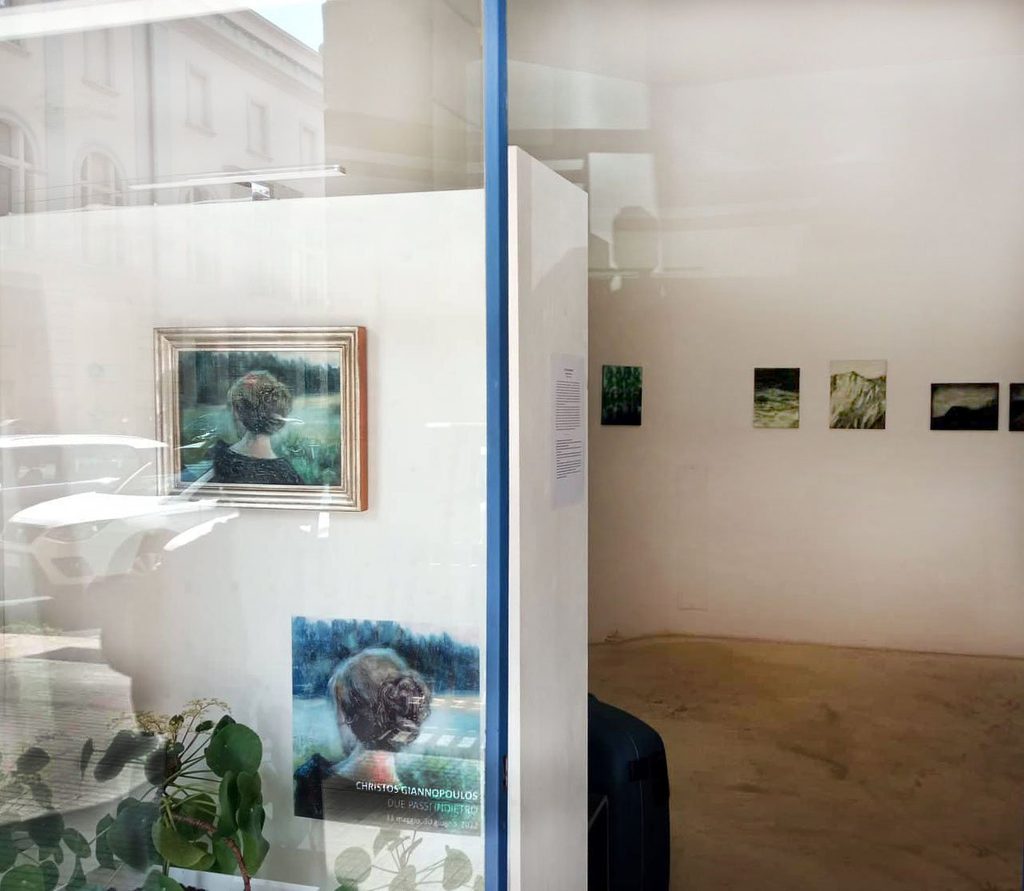
2022 – “Two steps back”, Blu Gallery, Bologna, Italy
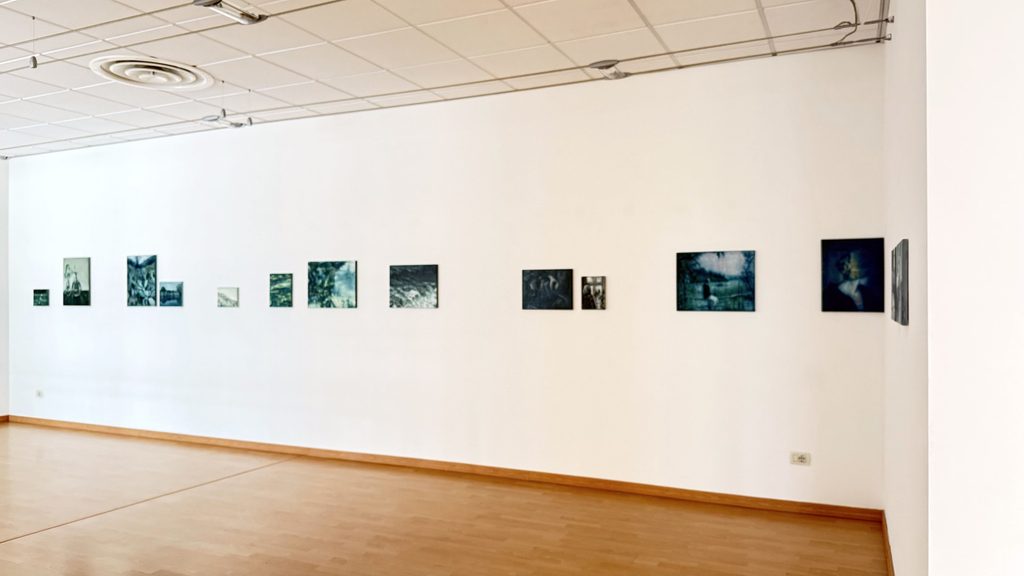
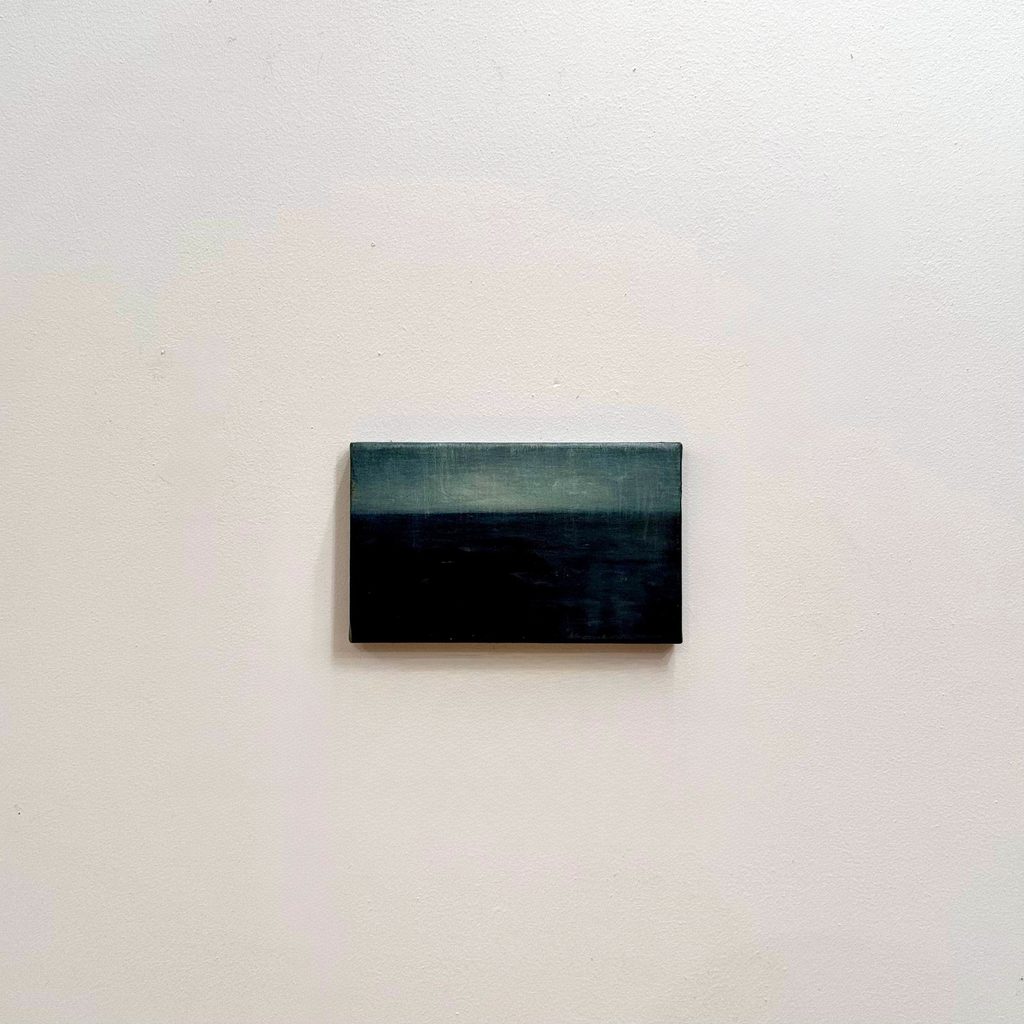
The exhibition “Two steps back” presented at the Blu Gallery in Bologna, includes recent works by Christos Giannopoulos whose main means of expression is oil painting on canvas. The works presented hereby are based on two themes the former being the personal archive of the artist, consisting of photographs he has taken himself on various occasions, while the latter is selected Andrei Tarkovsky film sequences and also polaroids taken by the great director himself. In both cases, the way in which a landscape is rendered, for example, is not so much a matter of realistic depiction as one of a possible recollection of a rather vague place. Something similar happens when we recall past events and perceive them in the present in a way different from the one we had experienced back then.
Usually, in order to see a painting better, one has to take a few steps back, to find the right distance, which fits the ideal viewing of the work. It is like standing in front of a mirror. In the case of the painting we need to step back in order to see an image that evokes memories and emotions, while in the case of the mirror, stepping back contributes to recognizing one’s self, their existence and consequently their own reminiscence, as, we ourselves are our memory and without it, it is not possible to exist. This required distance however, is not only spatial, but also temporal and every time we try to recall an older experience, it leaves in us an imprint that feels like a photographic or pictorial rendering of reality. It is as if an invisible painter tries to represent something virtually non-existent, possibly recreating the past.
2022 – “Due passi indietro”, Blu Gallery, Bologna
La mostra “Due passi indietro” presentata alla Blu Gallery di Bologna, comprende opere recenti di Christos Giannopoulos che appartengono a due tematiche e hanno come principale mezzo espressivo la pittura ad olio su tela. Queste opere si basano su un archivio personale dell’artista, composto da fotografie da lui scattate, nonché da sequenze di film e polaroid selezionate del regista Andrej Tarkovskij. In entrambi i casi, il modo in cui viene reso, ad esempio, un paesaggio, non è tanto una questione di rappresentazione realistica, quanto di un possibile ricordo di un luogo piuttosto vago e sfumato. Qualcosa di simile accade quando ricordiamo eventi passati e li percepiamo nel presente in modo diverso da quello che abbiamo vissuto allora.
Di solito, per vedere meglio un dipinto, bisogna fare qualche passo indietro, per trovare la giusta distanza, che si adatta alla visione ideale dell’opera. È come stare davanti a uno specchio. Nel primo caso, per vedere un’immagine che evoca ricordi ed emozioni, nel secondo caso, per riconoscere se stesso, la propria esistenza e di conseguenza la propria memoria, in quanto, noi stessi siamo la nostra memoria e senza di essa non è possibile esistere. Questa distanza che si richiede, oltre che spaziale, è anche distanza di tempo, la quale, per rievocare un’esperienza antica, lascia in noi un’impronta che sembra una resa pittorica della realtà. È come un pittore invisibile che rappresenta qualcosa di sostanzialmente inesistente e inconsistente, magari ricreando il passato.
2022 – “Δύο βήματα πίσω”, Blu Gallery, Μπολόνια, Ιταλία
Η έκθεση «Δύο βήματα πίσω» που παρουσιάζεται στην γκαλερί Blu, στη Μπολόνια, περιλαμβάνει πρόσφατα έργα του Χρήστου Γιαννόπουλου που ανήκουν σε δύο θεματικές και έχουν ως κύριο εκφραστικό μέσο την ζωγραφική με λάδι σε μουσαμά. Τα έργα αυτά έχουν ως αφετηρία ένα προσωπικό αρχείο του καλλιτέχνη, αποτελούμενο τόσο από φωτογραφίες που έχει τραβήξει ο ίδιος, όσο και από επιλεγμένες κινηματογραφικές σεκάνς και polaroid του σκηνοθέτη Αντρέι Ταρκόφσκι. Και στις δύο περιπτώσεις, ο τρόπος που αποδίδεται, για παράδειγμα, ένα τοπίο, δεν σχετίζεται τόσο με την ρεαλιστική απεικόνισή του, όσο με μια πιθανή ανάμνηση ενός τόπου μάλλον ασαφούς. Κάτι αντίστοιχο συμβαίνει όταν ανακαλούμε περασμένα γεγονότα και τα αντιλαμβανόμαστε στο παρόν με διαφορετικό τρόπο από εκείνον που τα βιώσαμε τότε.
Συνήθως, για να δει κανείς καλύτερα ένα πίνακα, πρέπει να κάνει λίγα βήματα πίσω, για να βρει την σωστή απόσταση, που ταριάζει στην ιδανική θέαση του έργου. Είναι όπως, όταν κάποιος στέκεται μπροστά στον καθρέφτη. Στην πρώτη περίπτωση, για να δει μία εικόνα που ανακινεί αναμνήσεις και συναισθήματα, στην δεύτερη περίπτωση, για να αναγνωρίσει τον εαυτό του, την ύπαρξή του και κατ’επέκταση την ίδια την μνήμη του, καθώς, εμείς οι ίδιοι είμαστε η μνήμη μας και χωρίς αυτή δεν είναι δυνατό να υπάρχουμε. Η απόσταση αυτή που απαιτείται, εκτός από χωρική, είναι και χρονική, η οποία μεσολαβώντας προκειμένου να ανακληθεί ένα παλιό βίωμα, αφήνει μέσα μας ένα αποτύπωμα που μοιάζει με φωτογραφική ή ζωγραφική απόδοση της πραγματικότητας. Είναι σαν ένας αόρατος ζωγράφος να αναπαριστά κάτι ουσιαστικά ανυπόστατο, αναδημιουργώντας ενδεχομένως το παρελθόν.